Between Trains: A Winter Day Out Built Around Britain’s Station Cafés
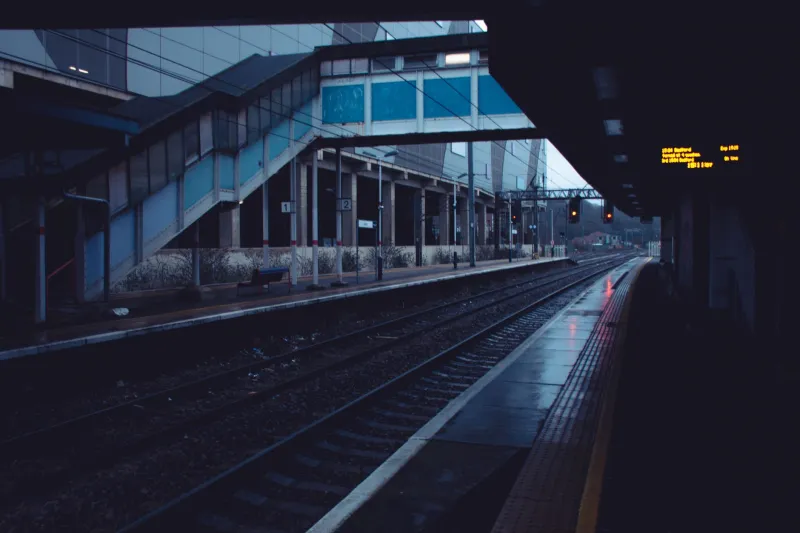
There is a particular kind of winter pleasure in arriving somewhere before you need to. Not at a museum, not at a restaurant, but at a railway station — coat still on, bag at your feet, a tea going cool on a Formica table while the departure board clicks over above your head. The train is not the point. The pause is.
Britain has always done this well. Station refreshment rooms were once civic advertisements: tiled, mirrored, smelling of toast and coal smoke. Many were lost, but enough survive — and enough new ones have opened — to make a station stop feel like a small occasion rather than a delay. The trick is to choose your station the way you would choose a pub, and then build a slow winter day around it.
Why a station is a destination
A station café sits in a useful no-man’s-land. It is public but not quite ordinary; functional but often unexpectedly handsome. You can be a traveller without going anywhere. That liminality is the appeal. On a grey Tuesday in February, a good buffet offers the same comfort as a hotel lobby without the hotel bill: warmth, a seat, a view of people coming and going, and the low-level drama of platforms.
The best of them also carry a sense of place. Sheffield Tap occupies the former Edwardian refreshment rooms at Sheffield station, all glazed tiles and high ceilings, with its own brewery visible behind glass. York Tap does something similar in York’s Edwardian tea room, a round-edged space that feels like a set from a forgotten film. Newcastle’s Centurion Bar, tucked into the former first-class waiting room, is grander still — a reminder that railway refreshment was once a matter of chandeliers and carved wood rather than a plastic tray.
These are not museums. They are working bars and cafés, which is exactly why they work.
The classics: tiles, tea and a sense of occasion
If you want the full period-piece experience, aim for the stations where the building does half the work. Birmingham Moor Street’s Centenary Lounge has the art deco curves and vintage signage that make a cup of tea feel like a minor event. Settle Station Tea Room, on the Settle–Carlisle line, is a proper platform pause: small, friendly and closely tuned to the rhythm of the trains. At Carnforth, the Brief Encounter refreshment room leans into its film history without turning into a theme park; the tea is hot, the room is warm and the whole place feels pleasantly stranded in time.
Order the simple things. A pot of tea and a toasted teacake. Soup if it is on. A pork pie and a pickled onion if the bar is that sort of bar. These places are not trying to reinvent lunch; they are trying to make waiting feel civilised. Let them.
The new guard: coffee counters with a platform view
The other pleasure is the newer station café — often a single counter, a tidy pastry case and two or three stools facing the timetable. These are less about heritage and more about a decent flat white before the 07:12, or a place to open a laptop for forty minutes without feeling you have overstayed. At smaller stations they can be genuinely local: run by the same people who know which platform gets the sun and when the barriers are manned.
Do not overlook the station pub either. The Betjeman Arms at St Pancras is a obvious one, but the smaller railway taverns — the ones with a hand pump, a railway clock and a clientele of regulars who are not all going anywhere — are often the most rewarding. They tend to open later than cafés, so save them for the return leg or for a day when the train is not really the point at all.
How to do it without a ticket
This is the practical bit. At unbarriered stations, and at those with street-level entrances, you can usually walk straight in. At gated stations, some venues sit before the ticket line and some beyond it. The ones beyond generally require a ticket or a platform pass. In 2026, several operators still issue platform tickets for a nominal fee, but policies vary; ask at the gateline rather than assume. If you are planning a special trip, ring the venue first. A two-minute call saves a wasted journey.
Also check opening hours on the day. Station cafés are subject to engineering works, staffing and early kick-offs. Winter weekends can be busier than you expect, especially around shopping hubs and match days. The quietest window is usually Tuesday to Thursday, mid-morning to early afternoon — roughly 10am to noon, then 2pm to 4pm. Avoid Friday afternoons and the first Saturday of December if you want a seat by the window.
What to order, and when to go
Go early enough to have a second cup. The joy of a station café is not efficiency; it is the stretch of time between arriving and leaving. Order something that takes a little while: a pot of tea rather than a mug, a bacon bap rather than a pastry, a bowl of soup if the board says homemade. If the bar has local ale, have a half. If it has a window seat, take it.
And dress for the walk between platforms. The romance of the station is partly a matter of cold air and warm rooms, of doors opening and closing. A winter day built around a buffet works best when you allow for a short stroll — to the end of the platform, around the station forecourt, or into the town for twenty minutes before the next train.
A small circuit for a slow Saturday
You do not need a grand tour. A simple northern loop can be enough: Sheffield Tap for a late-morning coffee, York Tap for lunch and a look at the tea room, then Newcastle’s Centurion for an early evening half before the ride home. Further west, Settle and Carnforth make a heritage-minded day out, with the added pleasure of the landscapes between them. None of it requires a plan beyond a timetable and a willingness to miss one train on purpose.
That is the real point of the station buffet in 2026: not the journey, but the interval. A good one gives you somewhere to be while you are not quite going anywhere — and in the middle of winter, that is a small, useful luxury.