The Handmade Edit: Shopping the UK’s New Craft Markets Without the Clutter
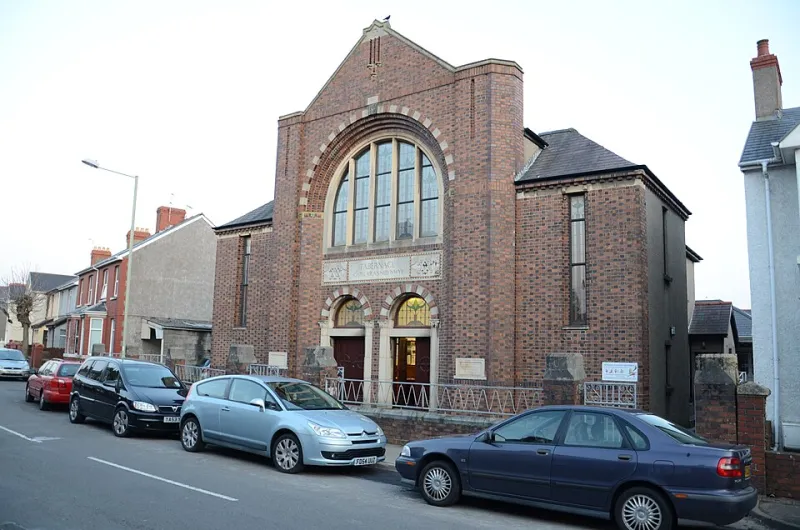
Photo: Philip Halling , CC BY-SA 2.0, via Wikimedia Commons
Craft markets have become a weekend default. That is mostly good news: more makers are finding customers, more high streets are getting footfall, and more shoppers are thinking twice before buying another mass-produced thing. But the boom has also produced a lot of lookalike stalls. In 2026, the useful question is not ‘is this handmade?’ It is ‘is this market actually curated?’
What makes a craft market worth your Saturday
A thoughtful market has a point of view. It selects makers rather than filling space. It mixes disciplines — ceramics, textiles, jewellery, print, wood — without turning into a jumble sale. It gives you room to talk to the person who made the work. And it is honest about what ‘handmade’ means: made by the person in front of you, or made in a small studio by a team they can name.
The generic version is easy to spot. Too many stalls selling the same printed tote bags. Imported goods labelled as local. A hall with no natural light and no somewhere to sit. A ‘craft’ fair where the only thing being demonstrated is card payment. None of that is a crime, but it is not the same experience.
The questions that separate makers from resellers
Ask conversationally, not like an inspector. ‘Where is your studio?’ is a good opener. ‘What drew you to this material?’ usually gets a better answer than ‘is this handmade?’ If you are buying ceramics, ask how it should be washed. If you are buying textiles, ask about repairs. If you are buying jewellery, ask what the metal is and whether it can be resized. A real maker will welcome the interest. A reseller will often give you a brochure instead.
Other useful questions: Is this a one-off or part of a small batch? How do you source your materials? Can I commission something similar? And the quiet one that matters: would you buy this yourself? The best stallholders are usually their own toughest critics.
Urban fairs with a point of view
Crafty Fox Market, London — A well-established pop-up that leans towards designer-makers rather than hobby crafts. It moves around, so check the 2026 dates, but the standard is generally high and the atmosphere is friendly rather than precious.
Great Northern Contemporary Craft Fair, Manchester — A selected fair with a serious reputation. You will find established makers and newer names, and the quality control is part of the appeal. Go with a budget and a list, or go with neither and accept the consequences.
Made Brighton — A contemporary craft and design fair with a strong visual identity. It is the kind of event where you can buy a present that does not look like it came from a panic-bought shelf.
Made by Hand, Cardiff — Held at City Hall, this one has a proper sense of occasion. It is a good winter stop if you want to see makers demonstrating skills as well as selling finished work.
Rural trails and studio weekends
Yorkshire Artspace Open Studios, Sheffield — A studio trail rather than a market, which is exactly why it works. You see the messy bench, the half-finished pieces and the actual working conditions. Buy something and you will remember the room it came from.
The Makers Market, Cheshire — A monthly artisan market with a local, food-and-craft mix. Arrive early, bring a bag, and do not expect every stall to be a once-in-a-lifetime find. The pleasure is in the browsing and the town around it.
Craft Festival, Bovey Tracey, Devon — A rural craft event with workshops and demonstrations. It is not a winter market in the strict sense, but it is a useful benchmark for how a craft fair should feel: generous, hands-on and rooted in making rather than retail theatre.
Ditchling Museum of Art + Craft, East Sussex — The museum’s shop and seasonal fairs are small but well chosen. It is a good reminder that the best craft shopping often happens in places with a permanent commitment to makers, not just a marquee in a car park.
How to shop well in 2026
Set a budget before you go, but leave a little room for the thing you did not expect. Carry a tote and some cash; not every maker has a card reader, and signal in old halls can be patchy. Buy one considered thing rather than five forgettable ones. Follow the makers you like online, because the stall is only the beginning of the relationship. And if something breaks, ask about repair before you replace it. The most sustainable purchase is often the one you already own, kept going for another year.
The Curated & Co. test
We use three simple rules. Is the maker present? Are the materials described honestly? Does the price make sense for the time, skill and materials involved? If the answer to all three is yes, you are probably in the right hall. If not, enjoy the browse and keep your wallet closed. A good craft market should feel like a conversation, not a conveyor belt — and in 2026, that is worth seeking out.