The Bar-Room Archive: Six British Inns Where the Guest Book Does the Talking
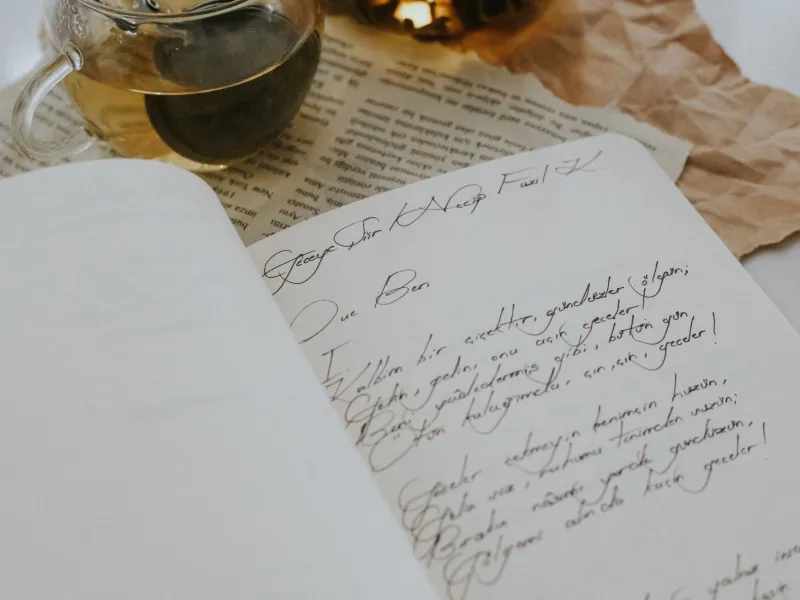
Most inns give you a wi-fi password and a laminated sheet about breakfast. The good ones give you something else: a guest book. Not a comments card. A proper book—cloth-bound, biro-stained, slightly warped by the radiator. It sits by the fire or under the bell on the bar, and if you ask nicely, someone will hand it over with the tea.
These are not reviews. They are the opposite. No star ratings, no algorithm, no incentive to be fair. Just people who have slept badly, walked far, eaten well and wanted to leave a mark. In winter 2026, when every spare weekend feels like it needs a plan, a guest book is a plan of its own.
Here are six independent British inns where the ledger is part of the furniture—and how to read one without turning it into content.
The Albion, Broadstairs
A seaside pub with rooms, a few streets back from the Kent coast. The guest book lives near the bar, and it reads like a weather report written by people who have just come in from a walk. Entries mention wet dogs, lost gloves, a surprising number of crab sandwiches and the exact time the tide turned. One page has a pencil sketch of the harbour that is better than it needs to be. Ask after lunch, when the pub is quiet and the person behind the bar is not mid-carvery. Off-season tip: book a Sunday to Tuesday stay in November 2026 and you will get the fire, the book and the pick of the sea view.
The Ship Inn, Mousehole
Cornwall in winter is not a postcard. It is grey water, short days and the smell of woodsmoke. The Ship’s guest book catches all of it. There are notes about storms, pilchards, a dog called Nell and a couple who got engaged on the harbour wall and wrote it down in pencil because the pen had run out. The handwriting gets worse as the pages go on, which is part of the charm. Ask before dinner, not during. And if the book is not on the bar, do not go rummaging—ask. A guest book is still someone’s private shelf.
The Felin Fach Griffin, near Brecon
A proper rural inn with a long bar and a fire that seems to have been lit since the 1970s. The guest book here is a mix of Welsh and English, with sketches of the Black Mountains, mud fingerprints and the occasional recipe for damson gin. Walkers write in it after dinner, which means the entries are honest and slightly wine-stained. Ask at reception after you have checked in, and read it with a pot of tea rather than a pint—you will need the steady hand. Midweek off-season stays are the sweet spot: fewer boots, more time with the book.
The Brisley Bell, Norfolk
The coaching inn version of a guest book: big, heavy, and full of people who have come for the skies. Birdwatchers note sightings. Theatre-goers leave ticket stubs. Someone once wrote a three-line poem about the Norfolk coast that is not good, but is sincere. The book sits in the bar, and the staff are used to people asking. The trick is to read a few pages, not the whole volume—otherwise you will still be there when the kitchen closes. Book a winter 2026 break direct, and ask if the book can be brought to your table after breakfast.
The George Inn, Hubberholme
A Dales pub in a village so small it feels like a rumour. The guest book is a record of snow, ale and long walks, with entries that read like dispatches from a trench: wet socks, a good fire, a pie worth the detour. There are drawings of the church, the river and one very detailed sketch of a dog asleep by the bar. Ask at the bar on a weekday afternoon. Off-season, the pub is quieter and the book is easier to read without an audience. Do not photograph names. Read, smile, close it.
The Gurnard’s Head, Cornwall
A moorland inn with a view that does half the work and a guest book that does the rest. Entries mention fog, stars, boots, a proposal written in pencil and a complaint about the coffee that is so polite it sounds like a compliment. The book lives by the window, and the staff will hand it over if you ask. It is the kind of place where you should stay for two nights, not one—the book rewards a slower read. Winter 2026 tip: check opening times before you travel, and book dinner when you book the room.
How to read a guest book without being a nuisance
Ask first. Always. These books are not public property, and some contain names, confessions and bad handwriting that was never meant for an audience. Wash your hands—old paper and bar snacks do not mix. Read a few pages, not the whole thing. Do not photograph names or personal details. If you are staying, write something honest rather than clever. A line about the fire, the walk or the weather is enough. The guest book is not a stage; it is a conversation with the next person through the door.
Why the guest book beats the review
The online review is a performance. It is written for strangers, scored for usefulness, edited for tone. The guest book is unedited and accidental. It records the small stuff that actually makes a stay: the draught under the door, the kindness of the person who found your umbrella, the way the light came through the window at 7.40am. It is Britain’s most underrated form of travel writing because it is not trying to be travel writing at all. It is just people saying: we were here, it rained, the tea was hot, we would come back.
Signed, sealed, slightly damp. That is the whole genre. And it is waiting on a shelf by the bar.