Made in Front of You: Britain’s Open Workshop Weekends and the Pleasure of Buying Direct
Winter weekends have a predictable pull: the market hall, the craft fair, the pop-up with a queue. They can be lovely. They can also blur into one long table of candles and tote bags. The alternative is quieter and, frankly, more interesting: one working floor, seen properly. Britain still has hundreds of small factories, mills, binderies, potteries and food rooms that open their doors for winter tours and open days. You watch, you ask, you buy something direct — and you come home knowing exactly why it cost what it did.
Start with one floor, not a map
The temptation with open workshops is to treat them like a trail. Three mills before lunch, a pottery after. Don’t. The pleasure here is in staying put long enough to notice the rhythm of a place: how the light falls across a cutting table, how the smell of warm wool changes when a machine starts, how a bookbinder’s glue pot steams on a cold morning. Pick one workshop and build the day around it.
Look for places that describe themselves as working buildings rather than visitor attractions. A small textile mill in Yorkshire, a tile works in the Potteries, a bookbinder’s studio above a shop, a bakery that mills its own flour — these are the sorts of operations that open for a few weekends a year. Check their websites and newsletters in late autumn; winter open days are often announced quietly, with timed slots and limited numbers. Places like Sunny Bank Mills in Farsley, Portland Works in Sheffield and Middleport Pottery in Stoke-on-Trent are good starting points, but the real joy is finding the smaller names nearby that don’t have a gift shop yet.
What you’ll actually see
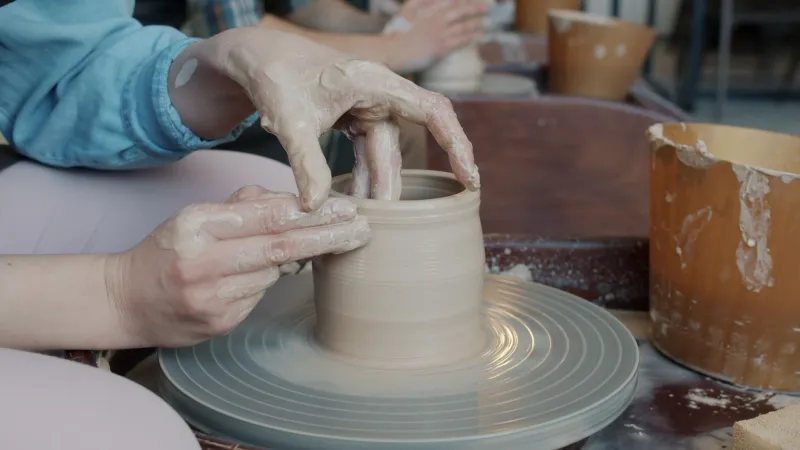
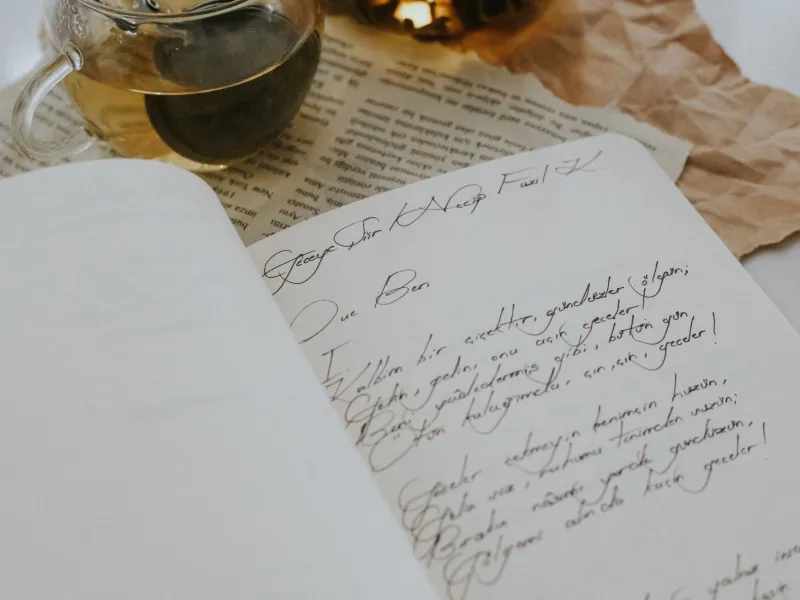
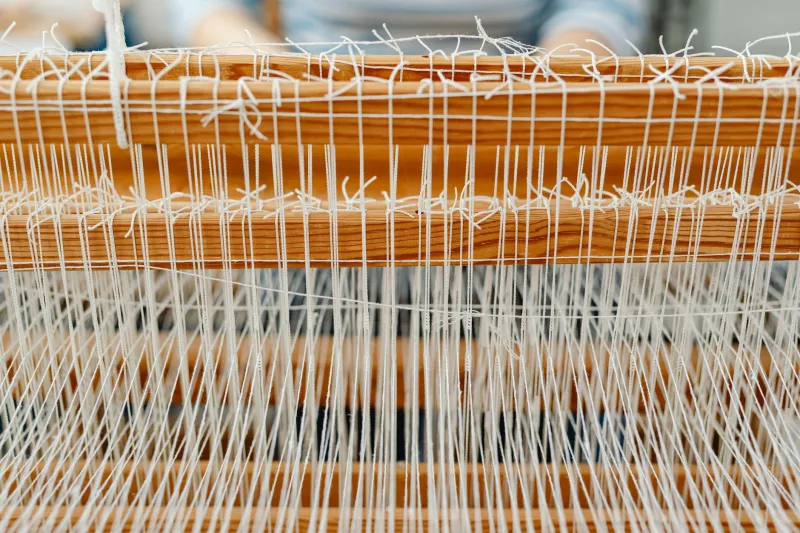
A good open workshop is not a theme park. It is a working building with a kettle, a health-and-safety briefing and somebody who has been doing the same job for twenty years. You might watch cloth being woven on a loom that predates your grandparents, or a tile being pressed and glazed by hand. You might see a bookbinder fold signatures with a bone folder, or a chocolatier temper chocolate on a marble slab. In a small food producer, the tour may be less of a tour and more of a chat beside a chiller cabinet.
That is the point. The details are the attraction: the offcuts bin, the drying rack, the wall of thread, the machine that only one person knows how to fix. Ask questions. Most makers are delighted to explain why a particular clay cracks or why the good wool is sorted by hand. You are not interrupting; you are the reason they opened the door.
The buying bit, without the hard sell
Buying direct is part of the deal, but it should feel like a natural end to the visit rather than a trap. Ask what is available to take away today, and whether there are seconds, samples or offcuts. Many small workshops sell slightly imperfect pieces at a fair price — a mug with a lean, a length of cloth with a weaving fault, a notebook with a wonky corner. These are often the best souvenirs because they carry the evidence of the process.
Ask, too, how to care for what you buy. A hand-thrown jug, a wool blanket, a bound journal and a jar of preserves all have different lives after they leave the building. The maker will tell you more in two minutes than a label ever could. And yes, you will probably pay more than you would in a chain shop. Watching someone work is a useful corrective to the idea that things should be cheap by default.
Build a slow day around it
A working floor pairs well with a modest lunch and a short walk, not a frantic itinerary. Check train and bus times before you go; many small workshops sit on industrial estates or in mill yards a fifteen-minute walk from the station. Wear shoes you don’t mind getting dusty. Bring a tote. If the workshop is cold — and many are — dress for it. Ask about access if stairs, noise or strong smells are an issue.
In 2026, plenty of these places are taking bookings online but still run on a shoestring. A timed slot is normal; turning up unannounced is not. If you can, go on the quieter Sunday rather than the busy Saturday. Take a notebook. Buy one thing you will actually use. Then go home before you are tired.
Why it changes what you value
There is a particular kind of satisfaction in using a mug, a scarf or a loaf of bread that you saw being made. It is not about purity or perfection. It is about having a mental picture of the room, the person and the small decisions behind the object. That picture makes you repair things rather than replace them, and it makes a winter weekend feel less like consumption and more like curiosity.
The best open workshops are not trying to be glamorous. They are trying to keep working. Turning up, asking a sensible question and buying something direct is a small, useful way to help. And it makes for a far better story than another scented candle.