The Muddy Afternoon: Booking a Slow Winter Session at an Independent UK Pottery
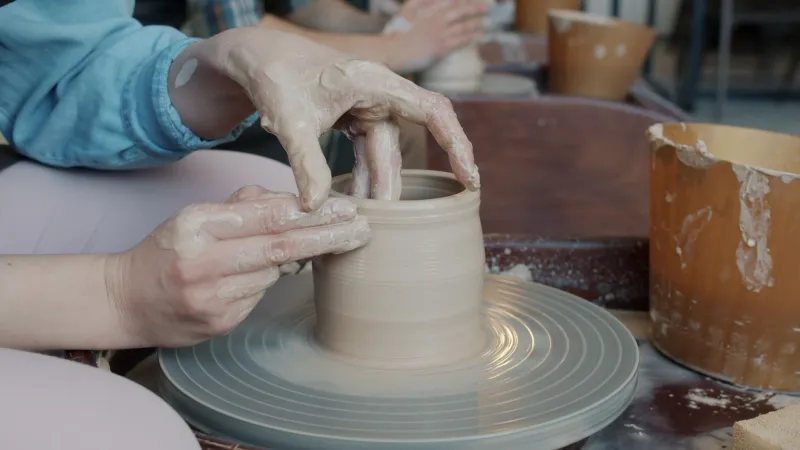
There is a particular smell to a working pottery in winter: damp clay, hot radiators, a kettle that has been on since dawn. It is not the polished scent of a craft-market stall. It is dust and mineral and slightly burned tea. That is exactly the point. A day pass at an independent UK studio offers something increasingly rare in a cold month — a few unhurried hours with your hands occupied and your phone safely out of reach.
Why a cold morning belongs at the wheel
Winter is not usually the season for impulsive days out. We tend to default to museums, long lunches, another browse around a market. All fine. But there is a particular pleasure in travelling somewhere small and specific on a grey morning, then spending the middle of the day learning how not to press too hard on a piece of spinning clay. The stakes are low and the rhythm is slow. You will probably make something lumpy. You may also make something you actually like.
The best open-access pottery sessions are not trying to turn you into a professional. They are trying to give you a workbench, a lump of clay and enough instruction to stop the whole thing collapsing. In 2026, with so many experiences competing to be photographed, that is a quietly appealing proposition: a day out that does not need to be documented to feel worthwhile.
What a day pass actually buys you
Day passes vary wildly, so read the small print before you book. A typical beginner-friendly pass might include a short induction, a bag of clay, use of tools and a bench or wheel, basic tuition and access to the studio’s glazes. Firing is often charged separately, either by weight, by volume or per piece. Some studios include one bisque firing in the price; others bill you later when you collect. Ask upfront. Nobody enjoys a surprise invoice for a lopsided mug.
For lapsed makers, the questions are slightly different. Can you work independently after a quick check-in? Is there space to store work overnight? Are there limits on how much clay you can use? Is the wheel reserved for a set period, or is it first come, first served? A good studio will be clear about all of this without making you feel like you are applying for a mortgage.
Small groups matter, too. Six or eight people around a bench is usually comfortable. Twenty is a hen party with clay. If the listing does not say, email and ask. The reply will tell you a lot about the place.
Read the kiln, not the Instagram
The most useful thing you can do when choosing a studio is to ask about its firing setup. A beautiful feed full of moody photographs does not tell you whether the kiln is reliable, whether the glazes are food-safe or how long you will wait for your work. Ask what temperature the studio fires to, whether it works in earthenware or stoneware, and how often the kiln is loaded. A studio that fires regularly is easier to plan around. One that waits until the shelves are full may be cheaper but slower.
Glaze is the other big question. A generous glaze library is lovely, but a beginner does not need forty options. They need a few reliable dipping glazes, some test tiles and someone to explain why three thick coats of everything is not a good idea. If you want to make something usable, check that the glazes are food-safe and suitable for the clay body. If you are only making a plant pot, the rules are more relaxed. Either way, the studio should be able to answer without sighing.
Also ask about drying and collection. Work has to dry slowly, especially in winter, and firing takes time. A four-to-eight-week turnaround is not unusual. Some studios post pieces out; others ask you to collect. Treat that second visit as part of the experience rather than an inconvenience. It is a good excuse for another walk and a second look at the shelves.
The right kind of small
Atmospheric does not have to mean cramped. The studios worth seeking out tend to be independent, slightly scruffy and run by people who actually make work there. Look for converted barns in Wales, railway arches in Leeds, old industrial rooms in Stoke, community workshops in Bristol or Glasgow. Not every small studio offers day passes, but many do, often alongside evening classes and member nights. Those wider sessions are a useful sign: you are in a working place, not a pop-up.
Check the practical bits before you fall for the photographs. Is there step-free access? Is parking realistic, or is the studio a ten-minute walk from the station? Does the day include lunch, or should you bring something? Are aprons provided? Will your nails survive? Short nails and no loose jewellery are sensible. So is a warm layer you do not mind getting dusty.
A slow day, well made
A pottery day pass is not a shortcut to a new hobby, though it might become one. It is a structured way to spend a winter afternoon doing something tactile, slightly difficult and entirely absorbing. You will probably drink tea. You will definitely get clay under your fingernails. You may spend twenty minutes trying to centre a ball of clay and then discover that the studio cat has been watching you the whole time.
Book a session with realistic expectations, ask the boring questions about firing and glazes, and leave room for lunch nearby. The best souvenir is not always the bowl. Sometimes it is the memory of a cold walk home, hands still smelling faintly of earth, with a small, imperfect piece wrapped in newspaper under your arm.