Uncorked and Unpretentious: A Beginner’s Winter Tour of Britain’s Independent Wine Shops
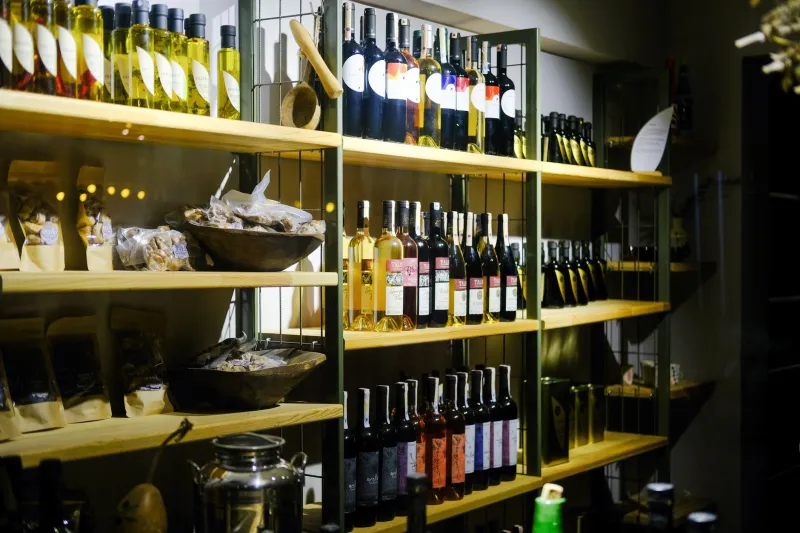
There is a particular kind of winter evening that begins with a slightly steamy shop window and ends with you knowing why you like one bottle more than another. No certificate, no swirling contest, no sommelier glaring at your pronunciation. Just a small independent wine merchant, a trestle table, a row of glasses and a room full of people who are there because they fancy learning something without being made to feel like they have arrived late to a exam.
That is the quiet appeal of the beginner tasting night. Across the UK, independent wine shops have been turning their after-hours space into something closer to a supper club for the curious than a formal masterclass. The format is usually simple: six wines, two hours, a host who actually wants questions, and a price that sits somewhere between a cinema ticket and a decent Sunday lunch. You leave with a favourite, a new bottle under your arm and the sense that wine is less of a secret code and more of a long, enjoyable conversation.
The room does half the work
A good tasting room tells you immediately that this is not going to be stuffy. In Yorkshire, that might mean a stone cellar under a Georgian townhouse, low ceiling, a heater doing its best, glasses catching the light from a single row of lamps. You can hear the person next to you without shouting. The cheese is close by. In Kent, it can be a bottle shop with the shutters half down and folding chairs arranged between the shelves, the till still visible, the whole thing feeling like a very good dinner party that happens to be in a shop.
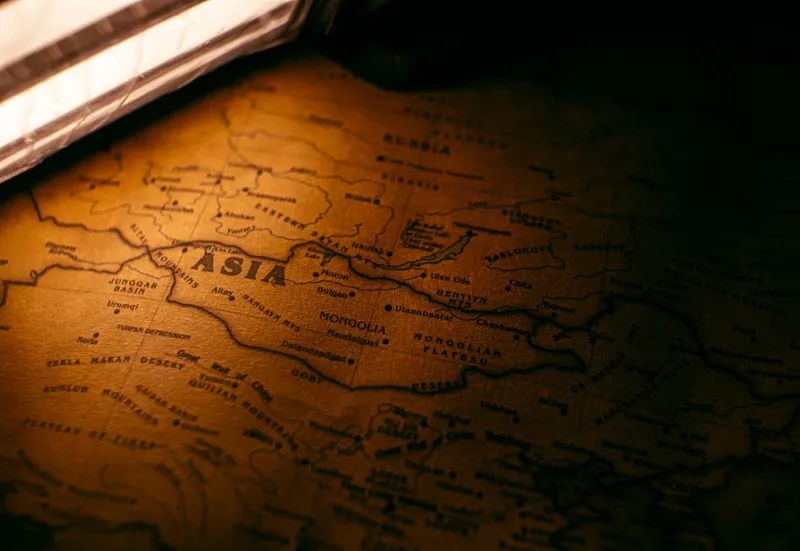
The best hosts lean into that domestic scale. They are not delivering a lecture; they are telling you where a bottle comes from, why the grape behaves the way it does, and what happened in the cellar that made this vintage taste different from the last. You might get a map, a few soil samples in the form of a story, and an honest admission that one wine is not for everyone. That honesty is worth more than any tasting note full of adjectives.
What actually happens over two hours
Most beginner nights follow a gentle arc: something fresh and easy to start, a white with a bit more texture, a light red, something darker, a bottle that surprises the room, then maybe a sweet or fortified wine to finish. The pours are small. The spittoons are there if you want them, and nobody minds if you do not. You are not expected to sniff for leather and pencil shavings. You are expected to notice what you notice.
The host will usually talk for a few minutes per glass, then let the room get on with it. That is where the real learning happens: comparing the wine in your hand with the one before it, hearing someone else say they get grapefruit when you get nothing but rain, and realising that both answers are allowed. Groups tend to be small, often ten to sixteen people, which means you can ask the daft question without feeling like you have derailed a seminar.
Booking, paying and what to expect
Independent shops rarely have slick booking systems. You will find tastings advertised in a newsletter, on Instagram, on a chalkboard by the till or through a local food magazine. Some sell out weeks ahead; others are deliberately kept small and word-of-mouth. Prices for a beginner winter tasting in 2026 tend to land between £20 and £40, with the better-value nights including a few snacks or a cheese plate. Book directly with the shop if you can, and read the cancellation policy before you commit.
Expect to stand for some of it, sit for the rest, and possibly buy a bottle at the end. That last part is not compulsory, but it is the quiet economics of the whole thing: the tasting is a way of letting you try before you commit, and the shop is a small business with rent to pay. If you find something you love, take it home. If you do not, say so politely and leave with your notes.
A beginner’s etiquette, minus the nerves
Eat something beforehand. Not a full roast, but enough that the third glass does not arrive like a surprise. Skip the perfume and aftershave; they will flatten the room’s ability to smell anything. Ask questions, but do not monopolise the host. Use the spittoon if you are driving or pacing yourself, and do not treat the evening as an open bar. A small notebook is genuinely useful, even if you only write down the name of the bottle you liked and the word ‘yes’ beside it. Most of all, remember that everyone in the room is a beginner at something.
Themed nights worth travelling for in winter 2026
Look out for nights with a narrow brief. They are often the most fun because the host has a point to make. In a Yorkshire cellar, a sherry-and-salt evening is worth the train fare: dry fino, nutty amontillado, a plate of almonds and the realisation that sherry is not just for Christmas. In Kent, a cabernet franc by candlelight tasting suits the folding-chair format, all leafy reds and quiet confidence. Bristol merchants have been known to run winter whites under screwcap, which sounds dry until you taste how much texture a cold-climate white can carry. Edinburgh does bubbles without bluff, and Norwich has a soft spot for the Jura notebook: oxidative whites, light reds and a lot of ‘oh, I see’ moments. Check each shop’s own listings for dates, times and whether the cheese is included.
The quiet pleasure of learning by glass
The point of these evenings is not to become an expert by February. It is to come home with a little more confidence, a bottle you chose yourself, and the memory of a warm room on a cold night. Wine shops are good at this because they are not trying to sell you a lifestyle; they are trying to sell you a bottle you will actually open. That is a modest ambition, and a thoroughly enjoyable one. Book one this winter, take a friend, and let the glass do the teaching.